0
Contact Us

In one of the year’s most unexpected dust-ups, the typically wholesome world of Sylvanian Families (marketed in the USA as Calico Critters) had its storybook characters spun into a scandalous soap opera-style saga, complete with drugs, crime, and even disagreements about carrot cake frosting.
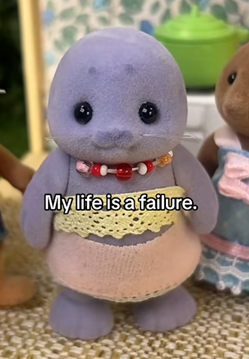
Thea Von Engelbrechten, the creator behind the Sylvanian Drama social media accounts, used the toys to act out comedic video skits akin to reality television, with R-rated themes and jokes layered throughout. The popularity of Sylvanian Drama soared during the Covid-19 pandemic and now has over 2.5 million followers on TikTok and over 1 million followers on Instagram. Von Engelbrechten also partnered with well-known brands such as Marc Jacobs and Sephora to advertise their products in the Sylvanian Drama video skits.
 |
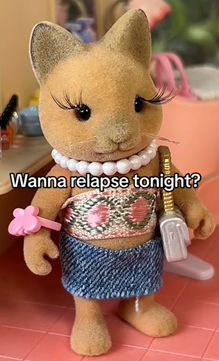 |
Some still images from the Sylvanian Drama (now Moletown Drama) social media account showing Sylvanian Families characters in dramatic scenarios.
But the creator of Sylvanian Families, Epoch, was not feeling the warm fuzzies and filed proceedings against Von Engelbrechten in New York. Epoch claimed that Von Engelbrechten infringed Epoch’s copyright works and trade marks and that Sylvanian Drama had tarnished Epoch’s brand image and would cause confusion. Von Engelbrechten argued in defence that the content was parody.
However, Epoch later withdrew the proceedings and Von Engelbrechten announced on social media that she would be changing the Sylvanian Drama account name and profile picture.
The Sylvanian Drama account has since been renamed to Moletown Drama, and Moletown Drama continues to feature videos and still images of Sylvanian Families characters in high-drama situations.
While the case has been dropped, it serves as a cautionary tail about how tangled copyright, parody, and brand reputation can get.
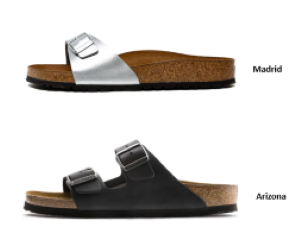
In a case that had the footwear world on its toes, Birkenstock tried to convince the German courts that its iconic Madrid and Arizona sandals were more than just a comfy fit – that they were worthy of copyright protection. The issue arose when Birkenstock took issue with manufacturers producing dupe shoes and sued them for copyright infringement.
|
Birkenstock’s Madrid and Arizona shoes
|
Examples of dupes
|
The German Federal Court of Justice ruled that while Birkenstock might be all the craze, the practical design of its Madrid and Arizona Sandals left them flat-footed when it comes to copyright. To qualify as an artistic work, the Court determined that there must have been some creativity expressed by the author for it to be sufficiently original. Unfortunately for Birkenstock, the Court held that the sandals were more about function than flair, where individuality of the author’s expression could not be sufficiently demonstrated for the sandal designs.
Birkenstock reportedly stated that the decision was a “missed opportunity for the protection of intellectual property”, as their claim was booted out of court.
Sometimes, even the most iconic designs cannot get a foot in the (courtroom) door.
One of Hell Pizza’s latest promotional efforts served up a freshly baked drama this year, as Hell Pizza yet again lit headlines (and hundreds of consumer complaints to New Zealand’s Advertising Standards Authority (ASA)) by launching its “Doobious Pizza” marketing campaign. The promotion was seasoned with controversy, with members of the public alleging it encouraged or condoned the illegal consumption of marijuana.
The term “doobious” is a play on the words dubious and doobie, a slang term for a rolled marijuana cigarette. Hell Pizza’s promotion also included providing customers with a small plastic bag filled with oregano and sage along with a herb grinder. But Hell Pizza’s campaign went beyond just these freebies and encouraged consumers to “spark up their weekend” and letting them know that the Doobious Pizza could be their “next munchie emergency”.
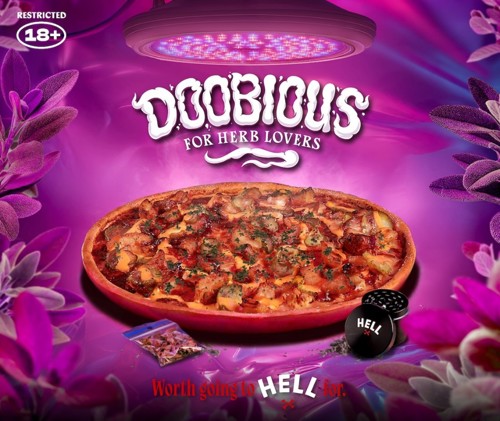
Hell Pizza defended its advertisements, arguing that they did not promote unsafe or illegal behaviour and that the campaign was designed as social commentary to highlight New Zealanders’ changing conversations about medicinal cannabis.
The ASA acknowledged that Hell Pizza often likes to test the limits in its promotional campaigns but was blunt in finding that some of Hell Pizza’s email-based marketing may have rolled over the line. The ASA determined that Hell Pizza had “encouraged an illegal practice” through some of its email advertisements for the campaign and had therefore breached the ASA’s Adverting Standards Code.
Despite taking a hit from the ASA’s decision, we expect that Hell Pizza will be living the high life from the publicity of its campaign.
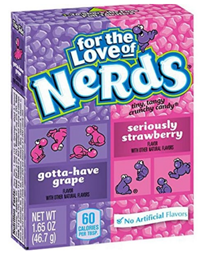
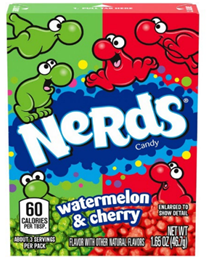
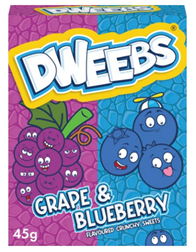
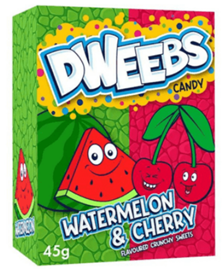
The sweets aisle just turned sour. Ferrara Candy Company, the manufacturer of the Nerds candy, initiated proceedings in California against the makers of Dweebs candy, alleging infringement of its intellectual property rights. The lawsuit centres on claims that Dweebs was deliberately designed to resemble Nerds, both in the appearance of the candy and the style of its packaging. Ferrara argues that such similarities are likely to cause consumer confusion and dilute the distinctiveness of the Nerds brand.
|
|
|
Ferrara owns US trade mark registrations for the Nerds brand, the irregular pebble shape of its candy, and the get-up of its dual-colour box. The company also submitted new trade dress applications to protect additional packaging elements, several of which are currently under review by the United States Patent and Trademark Office.
Ferrara is not sugar-coating its claims, as it is seeking injunctive relief, damages, and a jury trial.
With both sides hoping for a sweet victory, the jury may have to chew over some colourful evidence.
Pie ‘n’ mash has been culinary fare for East Londoners for over 150 years. The dish, traditionally served with a parsley sauce known as liquor, is a cultural institution but has faced challenges with a number of pie ‘n’ mash shops having closed in recent years.
A campaign to grant Traditional Specialty Guaranteed (TSG) status for pie ‘n’ mash in the United Kingdom has been led by families who have served the dish since as early as 1929. If granted, TSG status would ensure that only the proper pie ‘n’ mash recipe can claim the crust of the classic Cockney cuisine. Any misuse of the name could be challenged under UK law, ensuring that imitators cannot pass off different recipes as the real deal.
Fifteen prominent pie ‘n’ mash producers have come together and settled on a standard recipe in order to support an application for TSG status to protect the cultural importance of the dish. And the movement has gone all the way to the Parliament of the United Kingdom where Ministers debated the merit of granting TSG status for pie ‘n’ mash.
Other UK foods enjoying illustrious TSG status include Traditional Bramley Apple Pie Filling, Traditionally Farmed Gloucestershire Old Spots Pork, and Traditionally Reared Pedigree Welsh Pork.
While we await the outcome, the granting of TSG status for pie ‘n’ mash would ensure that East Londoners can continue to enjoy their beloved dish without feeling that their culinary heritage has been crumbled or rolled out by copycats.
If you thought your neighbour’s parties are loud, spare a thought for East Java where “sound horeg” is the real party starter. “Horeg” is derived from the Javanese word meaning to move or vibrate. Sound horeg is the art of mounting stacks of monster-sized speakers on trucks or boats and blasting bass-heavy beats until the surroundings (and sometimes the local authorities) start to tremble.
Now, the East Java Regional Office of the Ministry of Law and Human Rights reportedly wants to grant intellectual property rights in the sound horeg system in recognition of the communities that created it. It is unclear what type of intellectual property rights these might be, but the head of the Regional Office reportedly indicated that this could include copyright and industrial design and that the protection should be for community groups rather than individuals.
While sound horeg has some crowds jumping for joy, not everyone is dancing to the same beat. Others in the community have complained about the noise and disruption, while artists and community members have questioned whether sound horeg should take priority over other traditional art forms. 63% of respondents to a local radio poll reportedly opposed granting special rights for sound horeg.
On the other hand, supporters argue that intellectual property protection could help regulate the industry, encourage further innovation, and ensure that local creators are properly recognised.
It remains to be seen (and heard) whether granting intellectual property rights will be a sound investment for these block-rocking beats.
We wish you a safe and happy festive season!
Special thanks to Cody Malaki and Pippa Saunders for their contributions to this article.